
Over the years, I’ve helped countless homeowners transform their kitchens and bathrooms with a fresh coat of paint. One lesson has become crystal clear: you don’t need a professional sprayer to achieve professional-looking results. With the right preparation, tools, and techniques, anyone can successfully paint cabinets and give their space a dramatic facelift.
In this guide, I’ll walk you through how to paint cabinets step by step, share practical tips from my experience, and even include a real-life case study that highlights how a simple DIY cabinet makeover can completely elevate a room. Whether you’re refreshing a tired kitchen or updating an outdated bathroom, this guide is designed to make the process approachable, enjoyable, and rewarding.
Content
Why Painting Cabinets Yourself Is Worth It: How to Paint Cabinets Like a Pro
Learning how to paint cabinets yourself might seem intimidating, but the benefits are enormous:
- Cost-effective: Hiring professionals can be expensive, but a DIY cabinet makeover is budget-friendly.
- Customization: You can choose the perfect color, finish, and hardware combination for your style.
- Satisfaction: Completing a project yourself gives a sense of accomplishment that’s hard to beat.
In my experience, homeowners who invest time in learning how to paint their cabinets themselves often end up loving their kitchens even more than when they initially moved in.
Essential Tools and Materials
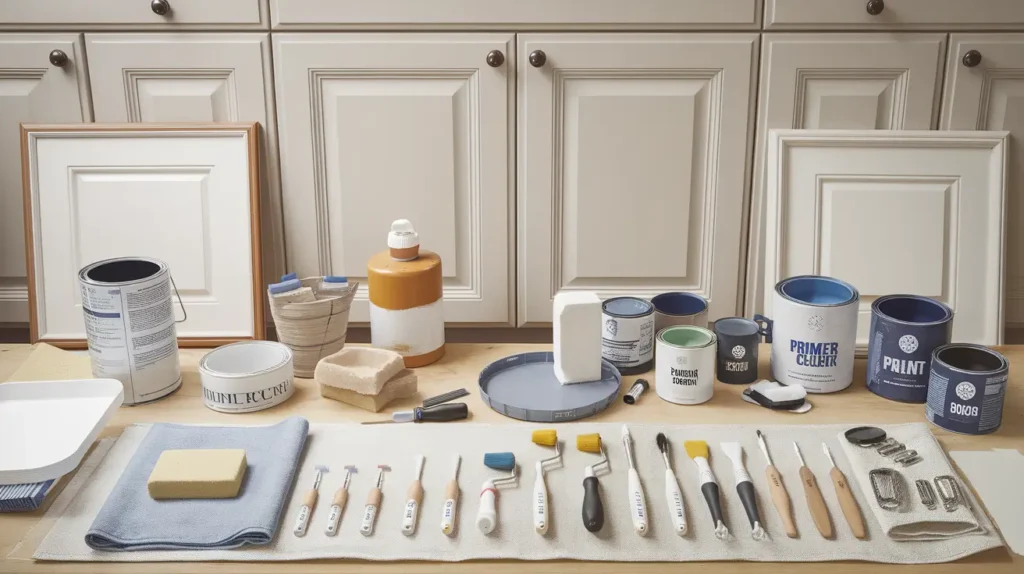
Before you start, gather the right tools and materials to make the process smoother and avoid frustration. Knowing how to paint cabinets properly begins with preparation.
Tools You’ll Need:
- Sandpaper (120–220 grit) or sanding block
- Deglosser or liquid deglosser
- Paintbrushes and foam rollers (preferably mohair for a smooth finish)
- Painter’s tape
- Drop cloths
- Screwdriver to remove cabinet doors and hardware
Materials:
- High-quality primer (bonding primer recommended for laminate or previously painted surfaces)
- Paint (acrylic or latex enamel works well for cabinets)
- Clear protective topcoat (optional but recommended for durability)
These items are essential for achieving a smooth, long-lasting finish. Using a high-quality paint for cabinets and drawers is key to minimizing streaks and chips.
Step 1: Remove Hardware and Cabinet Doors
Start by taking off all handles, knobs, and doors. Label each door so you know exactly where it goes when reassembling. This step may seem tedious, but it ensures even coverage and prevents paint from getting on unwanted surfaces.
Tip: Store screws in small, labeled containers to avoid losing them during the project.
Step 2: Prep and Clean Surfaces
Clean every surface thoroughly using a mild degreaser. Kitchen cabinets often have a layer of grease and dirt that can prevent paint from adhering properly. After cleaning, lightly sand the surfaces to create a texture that helps primer and paint stick.
DIY Cabinet Makeover Tip: If you want to paint cabinets without sanding, a liquid deglosser can help prep glossy surfaces. This is a time-saver, but sanding still produces the best results.
Step 3: Prime the Cabinets
Priming is a critical step. Apply a thin, even coat of bonding primer to all surfaces, including doors and drawer fronts. Primer ensures that your topcoat adheres properly and enhances the paint’s durability.
Pro Tip: Use a small brush for edges and corners, and a foam roller for flat panels. This combination gives a smooth, streak-free finish.
Step 4: Paint the Cabinets
Once the primer is dry, it’s time for paint. Apply the first coat evenly, working from the top of the cabinet downward to avoid drips. For a professional look, apply two thin coats rather than one thick coat.
Step-by-step guide to painting cabinets:
- Start with recessed panels and edges using a brush.
- Use a foam roller on flat surfaces for smooth coverage.
- Lightly sand between coats (120–220 grit) to remove any imperfections.
- Wipe with a damp cloth before applying the next coat.
Tip: Patience is key. Rushing the drying process can result in streaks, bubbles, or uneven color.
Step 5: Apply a Protective Topcoat
After the paint has dried, consider adding a clear protective topcoat. This step is optional but highly recommended for kitchens and bathrooms, where cabinets are exposed to moisture, heat, and daily wear. A topcoat will extend the life of your finish and make cleaning easier.
Real-Life Case Study: Kitchen Transformation Without a Sprayer
A family I worked with wanted to modernize their dated kitchen but couldn’t afford professional services. The cabinets were old, with visible wear and glossy surfaces that scared them off from DIY projects.
Challenge:
- Tired, outdated cabinetry
- Glossy finish that resisted paint
- Budget constraints
Solution:
- Removed all doors and hardware
- Prepped with a deglosser (no sanding required on glossy surfaces)
- Applied a bonding primer
- Painted with two coats of semi-gloss white paint using a foam roller and brush combination
- Added new hardware for a modern touch
Result:
- Cabinets looked fresh, smooth, and professional
- Family achieved a high-end look without hiring a painter
- Kitchen transformation completed in one weekend
This demonstrates that with the right kitchen cabinet painting techniques, achieving professional results is possible even without a sprayer.
Tips for a Successful DIY Cabinet Project
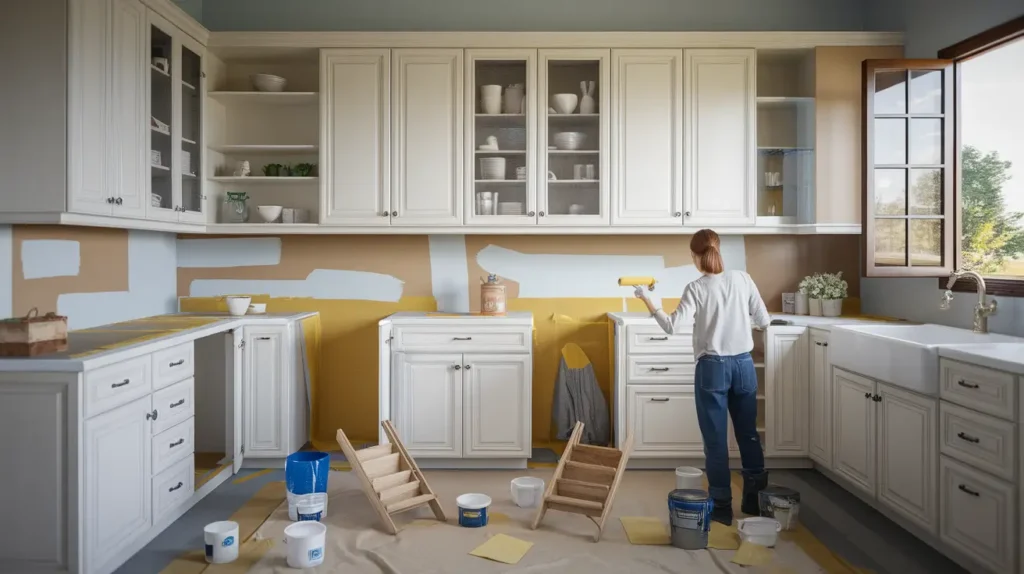
- Work in a well-ventilated area: Proper airflow helps paint dry evenly.
- Use painter’s tape: Protect walls, countertops, and floors for a clean edge.
- Label doors and hardware: Makes reassembly faster and less stressful.
- Take your time: Allow adequate drying and curing time between coats.
- Avoid common mistakes: Don’t apply thick coats or skip sanding steps; patience pays off.
Benefits of Painting Cabinets Yourself
- Cost Savings: Professional cabinet painting can cost thousands; DIY significantly reduces expenses.
- Customization: Choose colors, finishes, and styles that perfectly suit your space.
- Satisfaction: Seeing a complete transformation from start to finish is incredibly rewarding.
Conclusion
Learning how to paint cabinets yourself is empowering and achievable. By following proper steps—prepping surfaces, priming, applying multiple thin coats, and optionally adding a protective topcoat—you can achieve stunning, durable results. Whether you’re aiming for a DIY cabinet makeover or simply updating one room, this project proves that patience, preparation, and the right techniques make all the difference.
Even without a sprayer, professional-looking cabinets are within your reach. With careful execution, attention to detail, and a little creativity, you can transform your kitchen or bathroom into a space that feels fresh, modern, and inviting.
FAQ’s:
Can I paint cabinets without sanding?
Yes, using a liquid deglosser can prep glossy surfaces, but light sanding usually produces a more durable finish
What type of paint works best for cabinets?
Semi-gloss or satin acrylic/latex enamel is ideal for durability and easy cleaning.
How long should painted cabinets cure before use?
Allow at least 24–48 hours between coats and a full week for curing before heavy use.
Can I achieve professional results without a sprayer?
Absolutely. Using a combination of brushes for edges and foam rollers for flat panels provides smooth, professional-looking finishes.

Amber is a home blogger who loves to share her experiences with others. She likes being motivated and encourages people to be the best they can be.