
Choosing the right cabinets is essential for a functional and aesthetically pleasing kitchen or bathroom. Whether you’re renovating your home or building from scratch, understanding standard cabinet sizes ensures that your space is both practical and comfortable. In this guide, we’ll walk you through everything you need to know, including dimensions, design tips, and real-life examples, making it easy for anyone to plan their dream kitchen or bathroom.
Content
Why Understanding Standard Cabinet Sizes Matters
When planning your kitchen or bathroom layout, cabinet sizes affect workflow, storage, and overall comfort. Too small, and you might struggle to fit appliances or store essentials. Too large, and your space may feel cramped or awkward. Using standard measurements helps avoid costly mistakes and allows for easier installation of appliances, countertops, and fixtures.
Think of cabinets as the backbone of your space—they need to be functional, durable, and in harmony with your room’s dimensions. In my experience helping clients redesign their kitchens, adhering to standard cabinet sizes often prevents common issues like uneven countertops, misaligned doors, or awkward storage gaps.
Types of Standard Cabinets
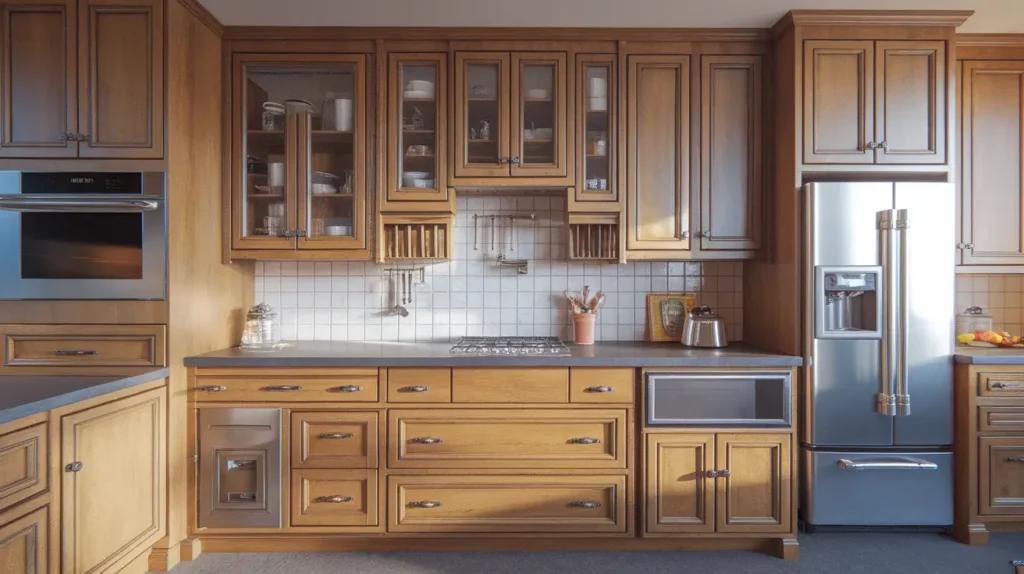
When planning your kitchen or bathroom, understanding standard cabinet sizes is essential, as cabinets come in three main types: base, wall, and tall. Let’s explore each.
1. Base Cabinets
Base cabinets sit on the floor and support countertops. They typically range in height from 34.5 to 36 inches, including the countertop. Depth usually ranges from 24 inches, while width can vary from 9 inches up to 48 inches depending on storage needs. Base cabinets often house sinks, trash bins, or pull-out drawers.
Practical Tip: If you’re planning a kitchen with heavy appliances like a dishwasher, ensure the base cabinet depth aligns with the appliance for a seamless fit.
2. Wall Cabinets
Wall cabinets are mounted above countertops or appliances and provide extra storage without occupying floor space. Standard heights range from 30 to 42 inches, and depth usually measures 12 inches, making them perfect for storing plates, glasses, or pantry items. Width can vary from 9 inches to 48 inches.
Use Case: In my recent kitchen remodel, a client wanted to store bulky cereal boxes and small appliances in wall cabinets. Choosing taller wall cabinets at 42 inches maximized storage while maintaining accessibility.
3. Tall Cabinets
Also known as pantry cabinets, tall cabinets with standard cabinet sizes extend from floor to ceiling, offering significant storage. Heights often reach 84 to 96 inches, depth ranges from 24 inches, and widths usually vary between 18 and 36 inches. These are ideal for storing brooms, mops, pantry items, and larger kitchen appliances.
Pro Tip: Position tall cabinets near entry points or adjacent to refrigerators to create a natural workflow in your kitchen.
How to Measure and Plan Your Cabinet Layout
Proper planning begins with accurate measurements. Here’s a simple guide:
Measure your space: Include walls, windows, doors, and appliances.
Check countertop height: Standard height is 36 inches for base cabinets.
Allow for ventilation and gaps: Ensure at least 1 inch clearance around appliances.
Consider workflow zones: Arrange base, wall, and tall cabinets to support prep, cooking, and cleanup.
Using standard sizes for base and wall cabinets not only streamlines installation but also makes future Kitchen Cabinets Repair, replacement, or upgrades easier and more cost-effective.
Real-Life Case Study: Renovating a Family Kitchen
I recently worked with a family who wanted to renovate their 10×12-foot kitchen. Their goal was maximum storage without sacrificing workspace. After measuring their space and considering their appliance sizes, we selected:
- Base cabinets: 24-inch depth, 36-inch height
- Wall cabinets: 42-inch height, 12-inch depth
- Tall pantry cabinet: 96-inch height, 24-inch depth
By sticking to standard kitchen cabinet dimensions, installation was smooth, and they achieved an organized, functional layout. The family loved how the tall cabinet accommodated their pantry items while leaving countertop space free for cooking and entertaining.
Tips for Choosing the Right Cabinet Sizes
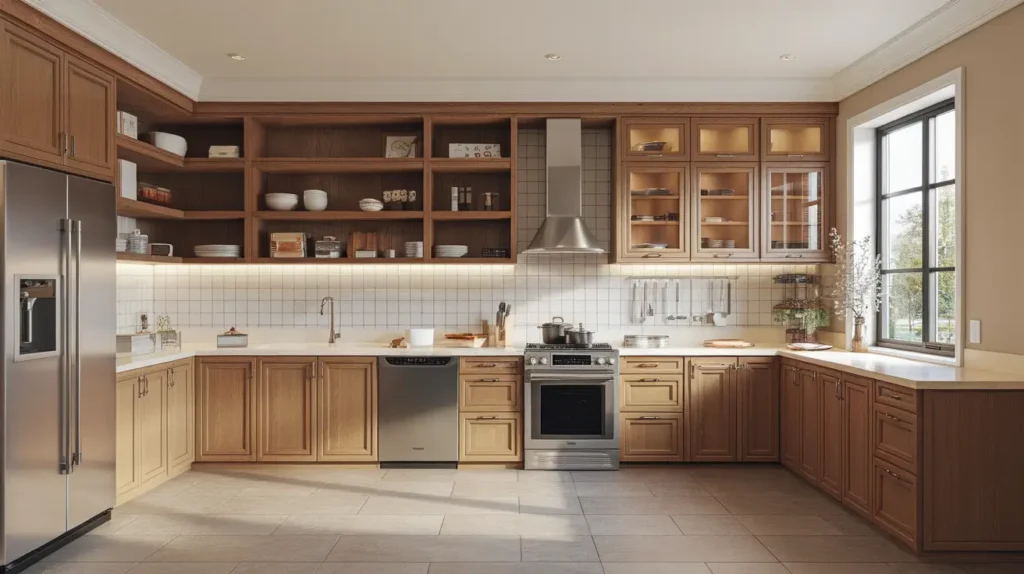
- Prioritize functionality over aesthetics: Ensure drawers, shelves, and doors are easy to use.
- Think about future storage needs: Tall cabinets often add long-term value.
- Measure appliances first: Align cabinet depth and width with dishwashers, ovens, or refrigerators.
- Consider ergonomics: Wall cabinets should be reachable without strain.
- Mix cabinet heights: Combining different heights (e.g., 30-inch and 42-inch wall cabinets) adds visual interest and storage efficiency.
Conclusion
Understanding standard cabinet sizes is critical for creating a functional, beautiful, and comfortable kitchen or bathroom. By considering base, wall, and tall cabinets, measuring accurately, and planning around appliances and workflow zones, you can avoid common remodeling pitfalls.
Whether you’re a homeowner renovating your space or a designer planning a client project, adhering to standard sizes ensures durability, convenience, and long-term satisfaction. Remember, a well-planned kitchen is not just about looks—it’s about creating a space where cooking, cleaning, and storage are effortless and enjoyable. For more information visit our website home decoration ideas
FAQ’s:
What is the standard depth for kitchen cabinets?
Base cabinets are typically 24 inches deep, while wall cabinets are 12 inches deep. Tall cabinets often match base cabinet depth at 24 inches.
Are standard cabinet sizes suitable for small kitchens?
Yes! Standard sizes are designed to fit most spaces. For small kitchens, consider narrower cabinets (9–15 inches wide) and tall cabinets to maximize vertical space.
Can I customize cabinet sizes?
Absolutely. While standard sizes simplify installation and reduce costs, custom cabinets are an option if you have unusual dimensions or specific storage needs.

Amber is a home blogger who loves to share her experiences with others. She likes being motivated and encourages people to be the best they can be.