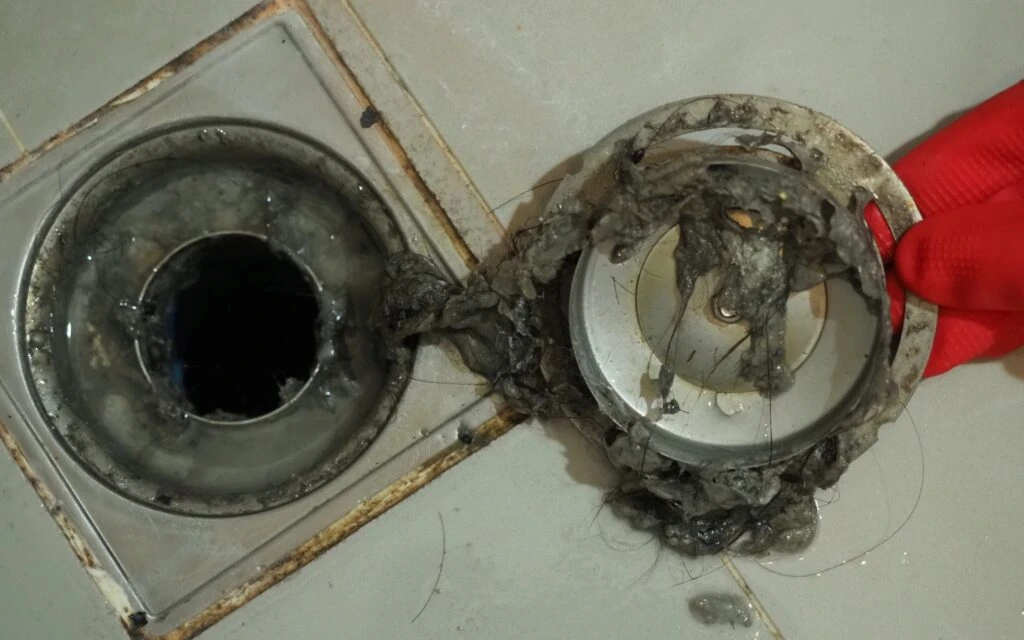
Sewer gas is an often-overlooked hazard that can pose serious health risks if not addressed promptly. Understanding the symptoms of sewer gas poisoning is essential for homeowners and building occupants to ensure safety and prevent long-term health problems. Sewer gas is a mixture of toxic and non-toxic gases produced by the decomposition of organic waste in sewer systems. Common components include hydrogen sulfide, methane, ammonia, carbon dioxide, and nitrogen oxides. Among these, hydrogen sulfide is particularly dangerous and is responsible for the characteristic “rotten egg” smell often associated with sewer gas.
Recognizing sewer gas poisoning symptoms early can prevent minor exposure from escalating into more serious health issues. In most residential settings, low-level exposure may cause subtle signs, while prolonged or high-concentration exposure can lead to severe complications.
Content
Early Symptoms to Watch For
The initial signs of sewer gas exposure are often mild and may be mistaken for everyday fatigue or minor illnesses. Common early symptoms of sewer gas poisoning include:
Headaches: Continuous exposure to low levels of hydrogen sulfide can trigger persistent headaches, making it difficult to focus on daily tasks.
Nausea and Vomiting: Inhalation of sewer gas can irritate the digestive system, causing discomfort, queasiness, or even vomiting in some cases.
Fatigue and Dizziness: Exposure may lead to feelings of lethargy, weakness, and lightheadedness due to the effects on the nervous system.
Eye, Nose, and Throat Irritation: Sewer gas can irritate mucous membranes, resulting in watery eyes, sore throats, or a burning sensation in the nose.
Coughing and Shortness of Breath: Some gases in sewer emissions can affect respiratory function, triggering coughing fits or difficulty breathing.
These mild symptoms should not be ignored, as they can worsen if exposure continues. Regular maintenance of plumbing systems, proper ventilation, and immediate attention to leaks are essential preventive measures.
Severe Sewer Gas Poisoning Symptoms
Prolonged or high-level exposure to sewer gas can lead to more serious health risks. Sewer gas poisoning symptoms in severe cases may include:
Loss of Consciousness or Fainting: High concentrations of hydrogen sulfide can disrupt brain function, leading to sudden fainting or even coma.
Seizures: Extended exposure to toxic gases may affect the central nervous system, potentially causing convulsions.
Respiratory Distress: Intense inhalation can severely irritate the lungs, making breathing difficult and potentially requiring medical intervention.
Neurological Impairments: Overexposure can result in memory problems, confusion, and reduced coordination.
Fatal Outcomes: While rare in typical household settings, extreme concentrations of sewer gas can be life-threatening.
Understanding these severe sewer gas poisoning symptoms emphasizes the importance of acting quickly when you detect signs of a leak or gas buildup.
How to Reduce the Risk of Sewer Gas Exposure
Preventing exposure to sewer gas involves proactive steps in both home maintenance and plumbing inspection. Some recommended measures include:
Regular Sewer Inspections: Hiring a professional for routine sewer line inspections can help detect leaks before they become hazardous.
Vent Maintenance: Ensure that plumbing vents are unobstructed and functioning properly to allow gases to escape safely.
Immediate Leak Repairs: Address any damaged pipes, gaskets, or seals promptly to prevent gas accumulation.
Adequate Ventilation: Keep basements, bathrooms, and other areas near sewer lines well-ventilated to disperse potential gases.
Install Gas Detectors: For added safety, consider installing hydrogen sulfide or methane detectors in areas prone to exposure.
Final Thoughts
Awareness of the symptoms of sewer gas poisoning and understanding the warning signs is key to protecting your health. While mild symptoms may appear manageable, prolonged exposure can escalate into severe health risks, making early detection critical. Regular sewer maintenance, professional inspections, and proper ventilation are all vital steps in preventing sewer gas hazards.
By recognizing sewer gas poisoning symptoms, taking immediate action, and maintaining your home’s plumbing system, you can significantly reduce the risk of exposure and ensure a safe living environment for yourself and your family.